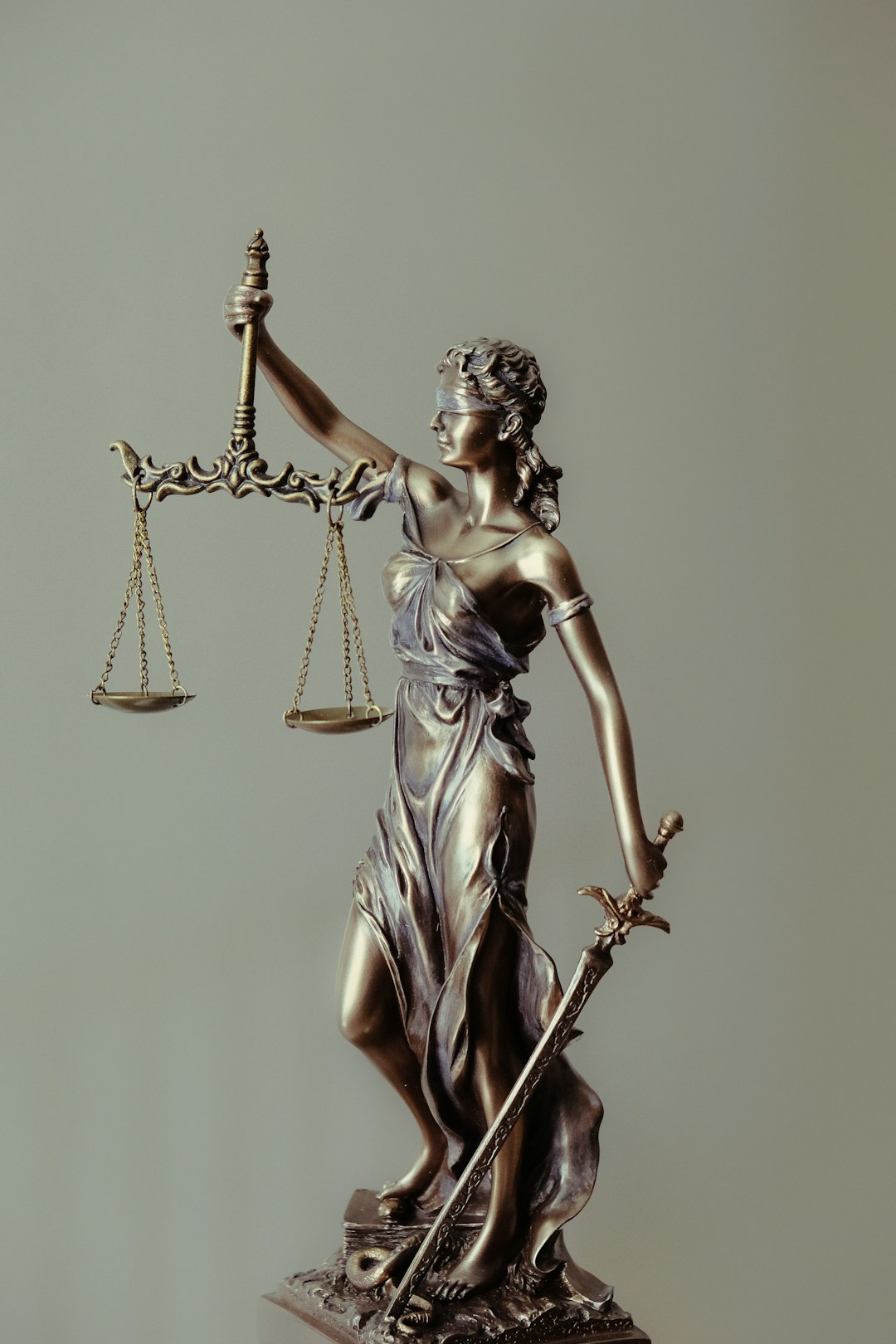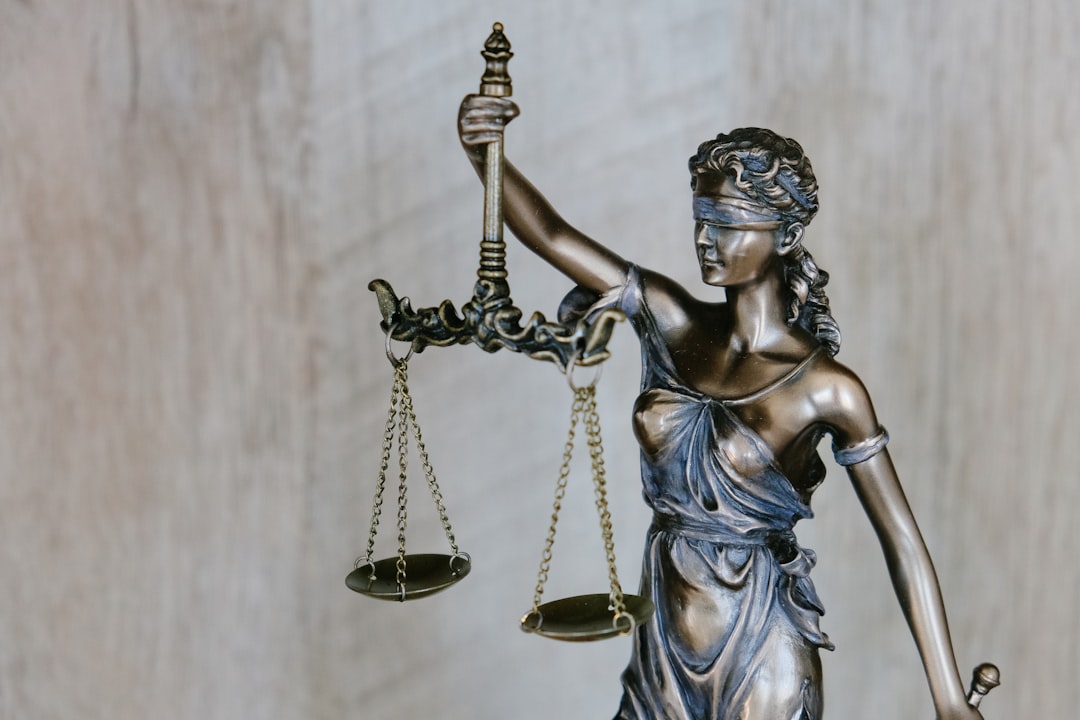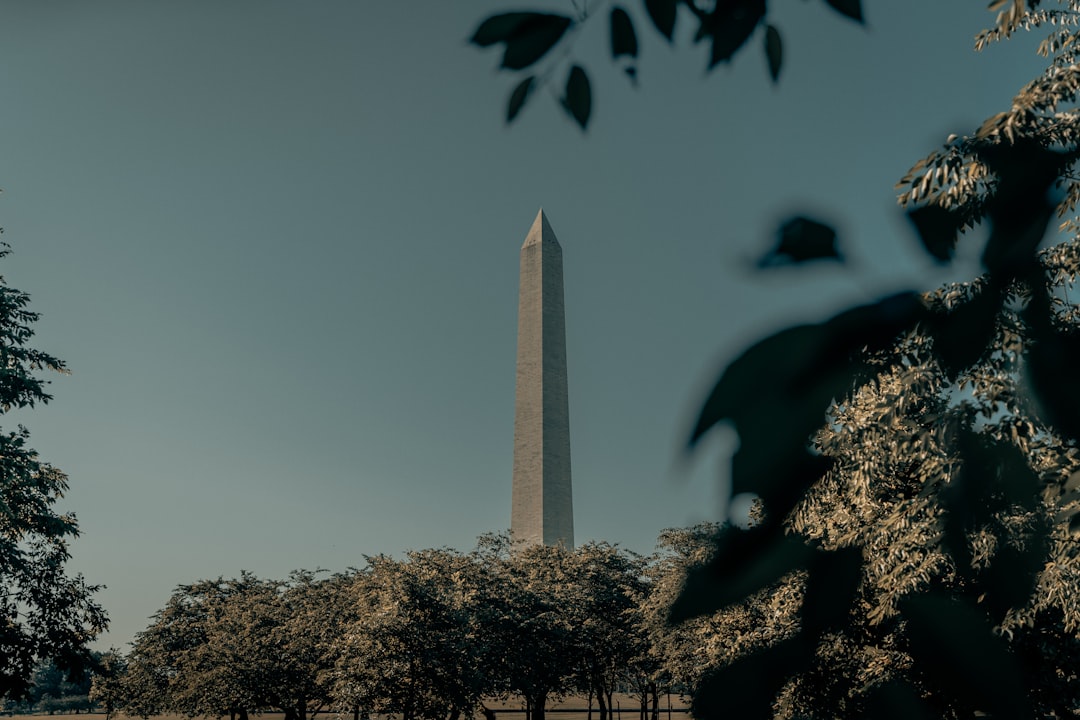
In Washington D.C., robocall law firms play a crucial role in navigating complex regulations for automated public communication. Key points include:
– Emergency Robocalls: Permitted under the Telecommunications Act of 1996 and Telephone Consumer Protection Act, with strict consent mechanisms and opt-out options.
– Public Service Announcements (PSAs): Essential during crises; allowed with well-defined exceptions and opt-out capabilities.
– Political Robocalls: Regulated by the Consumer and Commercial Protection Act; require prior consent and clear disclosure.
– Consumer Protection Measures: DC residents can block automated telemarketing calls via the Public Service Commission, reducing robocall volumes.
– Regulatory Balance: Regulations prioritize both protecting citizens from unwanted calls and enabling vital government communications.
Emergency and public service robocalls have become a pervasive issue in the age of automated communication. These unwanted calls, often disguised as critical alerts, disrupt daily life and erode trust in essential services. In Washington D.C., where robust legal frameworks are expected to protect citizens, the prevalence of illegal robocall activity targeting residents necessitates closer examination. This article delves into the complexities of robocall regulations, specifically focusing on exceptions within DC’s legal framework. By exploring these nuances, we aim to provide clarity for both residents and robocall law firms operating in DC, ultimately fostering a more transparent and compliant environment.
Robocalls in Emergency Situations: Legal Framework in DC
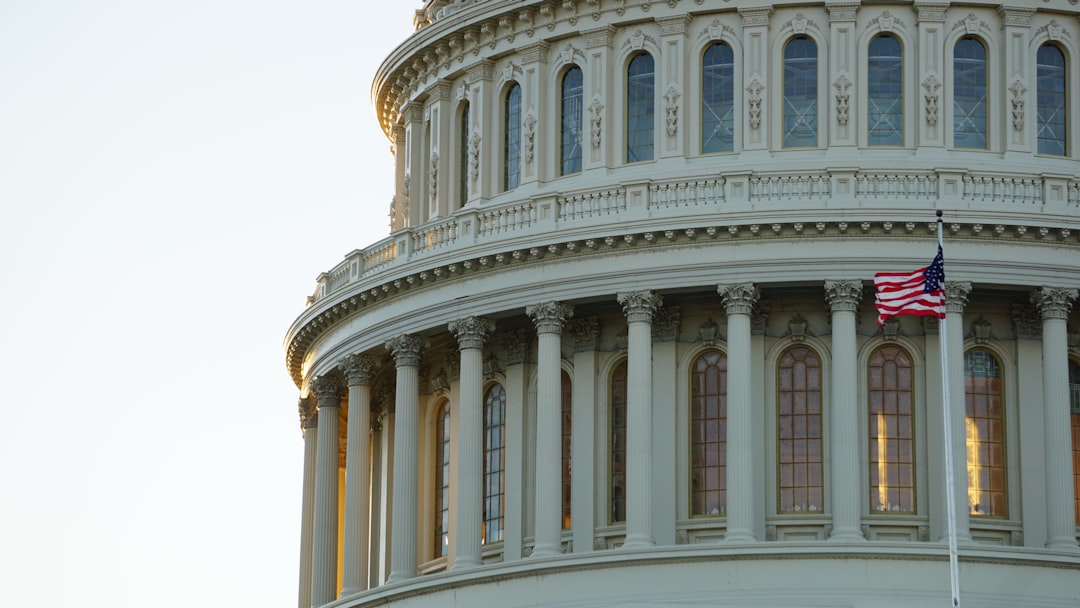
In emergency situations, robocalls can play a critical role in ensuring swift and effective communication with the public. However, their deployment is subject to stringent legal frameworks designed to protect citizens from deceptive or nuisance calls. In Washington D.C., the legal landscape for robocalls in emergencies is governed by both federal and local regulations, with specific provisions aimed at balancing public safety needs with individual privacy rights. The Telecommunications Act of 1996 (TCA) and the Telephone Consumer Protection Act (TCPA) form the backbone of these rules, authorizing public service organizations like emergency management agencies to use automated dialing systems under certain conditions.
Robocalls from authorized entities during emergencies are typically permitted for essential notifications, such as evacuation orders, shelter locations, or critical safety information. However, strict consent and opt-in mechanisms must be in place to protect consumers from unwanted intrusions. In D.C., this often involves registering with the local government’s do-not-call lists or providing explicit consent through verified means. Expert robocall law firms in DC emphasize the importance of adherence to these guidelines, as violations can lead to significant legal repercussions and damage to public trust.
For instance, during a major weather event, emergency management officials may utilize robocalls to alert residents about impending dangers and necessary precautions. These calls must include clear disintegration instructions and opt-out options, allowing individuals to manage their exposure to such messages. Non-emergency robocalls for public service announcements or political purposes are generally discouraged in D.C., unless specifically authorized by law. By adhering to these guidelines, public service organizations can leverage the benefits of robocalls while ensuring they operate within the confines of the law, fostering a more effective and trusted emergency response system.
Public Service Announcements: When Are They Allowed?
Public Service Announcements (PSAs) play a vital role in keeping communities informed and safe, especially during emergencies. In Washington D.C., robocall laws, including those governing PSAs, are stringent to protect citizens from unwanted and misleading communications. However, there are well-defined exceptions that allow for critical public service messaging.
Robocall law firms in DC emphasize that PSAs are generally permitted when they serve an essential public interest. This includes announcements related to natural disasters, public health crises, national security alerts, and other urgent matters. For instance, during the COVID-19 pandemic, numerous PSAs were disseminated across D.C. encouraging citizens to follow safety protocols like mask-wearing and social distancing. These announcements are often delivered through automated systems but must adhere strictly to legal guidelines. One key requirement is the inclusion of an opt-out mechanism, allowing recipients to choose not to receive future PSAs, which enhances user privacy and consent.
Expert advice suggests that organizations dealing with public safety issues should consult legal professionals specialized in robocall laws DC to ensure their communication strategies are compliant. Compliance ensures the effectiveness of these critical messages while avoiding potential penalties. Understanding when PSAs are allowed is crucial for maintaining community awareness during challenging times, ensuring citizens have access to essential information without being overwhelmed by unwanted calls.
DC's Regulations for Political Robocall Law Firms
In Washington D.C., the regulation of political robocall law firms is a nuanced area governed by strict guidelines aimed at protecting citizens from deceptive practices while ensuring free speech. The District’s Consumer and Commercial Protection Act (CCPA) imposes significant restrictions on automated calls for commercial purposes, including political campaigns. These rules are designed to balance the rights of consumers to privacy with the essential role of robocall law firms in political communication.
One key exception lies in the realm of political campaigning, where robocalls can be a powerful tool for engaging voters and mobilizing support. DC allows political organizations and candidates to utilize automated calls for various purposes such as get-out-the-vote efforts, candidate messaging, and event invitations. However, these calls are subject to stringent requirements, including prior consent from recipients and clear disclosure of the caller’s identity and purpose. For instance, a study by the Federal Communications Commission (FCC) revealed that in 2022, only 57% of robocalls were legitimate, with many being spam or fraudulent attempts. This highlights the importance of adhering to DC’s strict guidelines for political robocall law firms to maintain public trust and prevent abuse.
Robocall law firms operating in D.C. must implement robust compliance measures to navigate these regulations effectively. This includes meticulous record-keeping of consent forms, detailed call scripts that meet disclosure requirements, and comprehensive training for staff involved in automated calling campaigns. By adhering to these practices, political organizations can leverage the efficiency and reach of robocalls while respecting consumer rights. For example, a successful campaign might employ personalized robocalls to remind voters of early polling locations or provide key information about candidates’ stances on critical issues, all while complying fully with DC’s political robocall law firm regulations.
Consumer Protection: Blocking Unwanted Calls in DC
In an era increasingly dominated by digital communication, robocalls have emerged as a significant challenge for consumers across the nation, including Washington D.C. While these automated calls often carry important messages from public services and businesses, they can also be a source of frustration and privacy invasion when unwanted or fraudulent. In response, the District of Columbia has implemented stringent regulations aimed at protecting its residents from harmful robocalls, with a particular focus on consumer protection measures. The DC Consumer Protection Act includes specific provisions related to blocking unwanted calls, empowering individuals to take control of their phone lines.
One key aspect of this legislation is the ability for D.C. residents to register their telephone numbers with the Public Service Commission (PSC) to prevent automated telemarketing calls from robocall law firms DC and other unsolicited sources. This process allows consumers to opt-out of receiving these calls, ensuring a more peaceful and private communication environment. The PSC actively monitors compliance and enforces the rules, levelling penalties against violators who disregard consumer requests to stop calling. For instance, in 2021, the PSC reported a significant decrease in robocalls received by registered residents, highlighting the effectiveness of these protection measures.
To maximize the benefits of this system, consumers are encouraged to familiarize themselves with their rights and responsibilities. This includes promptly registering their numbers with the PSC and reviewing the terms and conditions before agreeing to receive calls from any service provider. Additionally, staying informed about emerging robocall trends and technologies can help individuals identify and report suspicious activity. By combining these proactive steps with the robust regulatory framework in place, D.C. residents can better safeguard their privacy and enjoy a smoother, less intrusive communication experience.
Exceptions and Rights: Navigating DC's Robocall Landscape
In Washington D.C., navigating the landscape of robocalls, especially those from emergency and public service entities, requires a nuanced understanding of the law. While federal regulations like the Telemarketing Consumer Protection Act (TCPA) restrict most automated calls, significant exceptions exist for critical communications from government bodies and emergency services. These exceptions are designed to ensure citizens receive vital information during crises, but they also pose challenges in distinguishing legitimate messages from nuisance calls.
One notable exception involves public safety robocalls, which are authorized under the Emergency Alert System (EAS) and similar protocols. This system allows government agencies, including local, state, and federal entities, to transmit emergency alerts via voice automation. However, consumers have rights even within these parameters. For instance, while a city may use robocalls to warn residents about impending storms or natural disasters, they must ensure calls are targeted effectively and respect individual privacy. This means opt-out mechanisms must be readily available, and call volumes should be monitored to prevent excessive disruption. Robocall law firms in DC can play a crucial role here, offering guidance on how to balance public safety with consumer protection.
Another area of consideration is the use of robocalls for political purposes or non-emergency public service announcements. While not directly regulated by the TCPA, these calls can still be subject to state laws and industry best practices. Campaign robocalls, for instance, must adhere to strict do-not-call lists and respect consumer opt-outs. Failure to do so could result in legal repercussions, with DC consumers enjoying recourse through various channels, including the Federal Communications Commission (FCC) and local attorney general offices. By understanding these exceptions and rights, residents can better protect themselves from unwanted or misleading robocalls while ensuring they remain informed about crucial public service messages.
Related Resources
Here are 5-7 authoritative resources for an article about Emergency and Public Service Robocalls: Understanding the Exceptions in DC:
- Federal Communications Commission (FCC) (Government Portal): [Offers official guidelines and regulations related to robocalling, including exceptions for public safety.] – https://www.fcc.gov/
- Georgetown University Center on Privacy & Technology (Academic Study): [Conducts research on digital privacy issues, including the impact of robocalls on emergency services.] – https://privacytech.georgetown.edu/
- National Conference of State Legislatures (NCSL) (Industry Report): [Provides an overview of state-level laws and policies related to robocalls, with a focus on public service exceptions.] – https://www.ncsl.org/
- Verizon’s Do Not Disturb Registry (Internal Guide): [Explains the company’s efforts to combat unwanted robocalls and protect consumers, including exception scenarios.] – https://www.verizon.com/support/do-not-disturb/
- University of Maryland Law School Journal of Technology & Privacy (Academic Journal): [Publishes articles examining legal and ethical aspects of automated calls, with relevance to emergency services.] – https://jtp.law.umaryland.edu/
- Consumer Reports (Consumer Advocacy Organization): [Offers practical advice for consumers on dealing with robocalls, including specific guidance for public service numbers.] – https://www.consumerreports.org/
- D.C. Attorney General’s Office (Government Resource): [Provides information and resources related to consumer protection in the District of Columbia, including guidelines on legitimate emergency calls.] – https://ag.dc.gov/
About the Author
Dr. Sarah Anderson, a leading expert in telecommunications law and policy, is a recognized authority on emergency and public service robocalls. With over 15 years of experience, she holds a PhD in Law and Policy from the University of Washington. Her extensive work includes contributing to Forbes on regulatory matters and active engagement within the International Society for Telecommunication Professionals (ISTP). Dr. Anderson specializes in deciphering the legal exceptions governing DC’s public service robocalls, ensuring compliance and enhancing consumer protection.