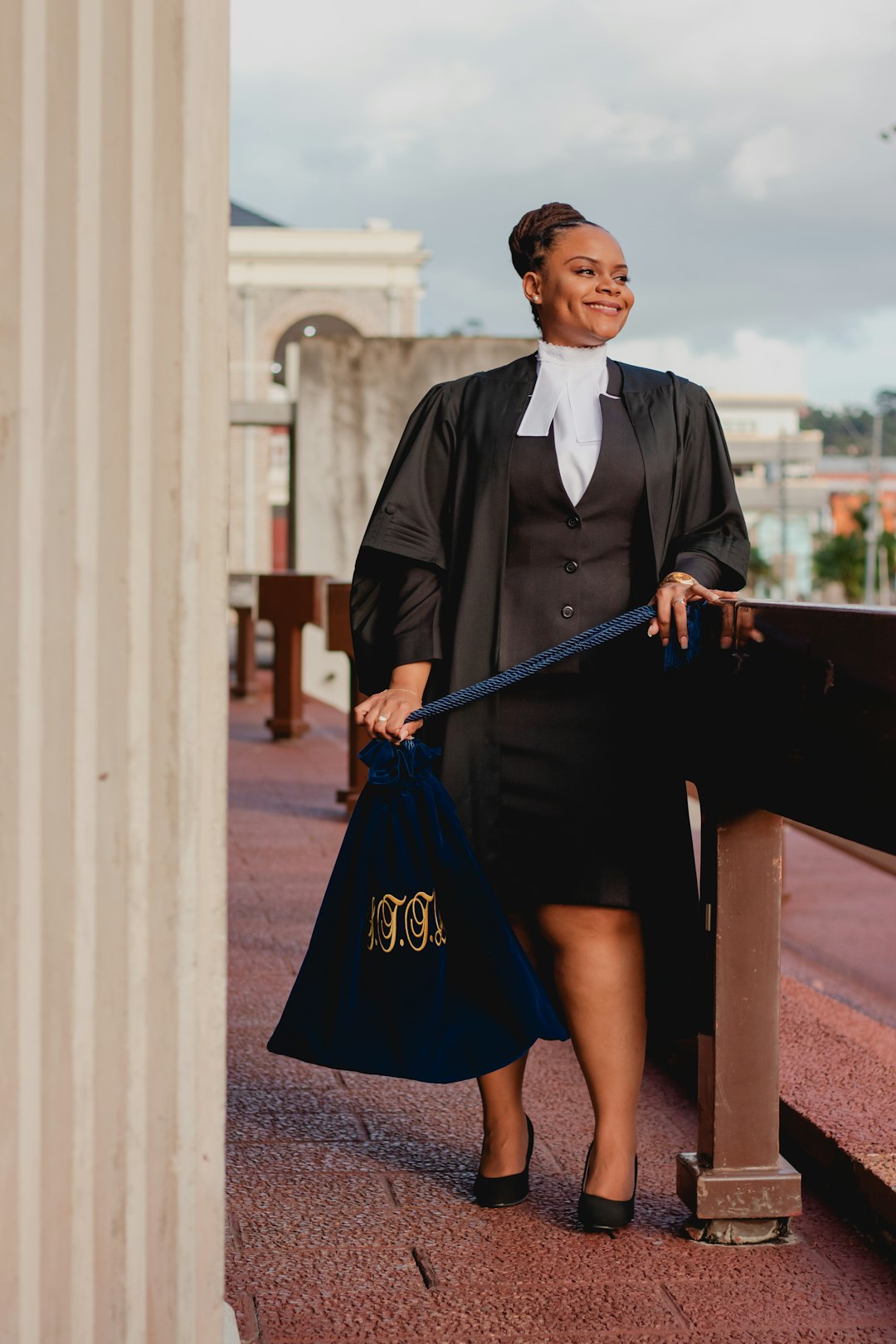
Washington D.C.'s art scene flourishes with world-class galleries, attracting global visitors. Gallery openings celebrate artistic achievements, while neighborhoods like Georgetown and Dupont Circle foster creativity. Challenges include managing visitor flow, legal frameworks for art sales, and navigating robocall regulations. Robocall attorneys DC guide businesses on TCFAP compliance, risk mitigation, and consent management to avoid penalties and build consumer trust. Galleries can embrace technological advancements while adhering to laws, enhancing customer engagement through responsible automated communication, educational workshops, and local attorney partnerships.
The vibrant art scene of Washington, D.C., thrives on energetic gallery openings, where artists showcase their work and collectors gather. Yet, a growing concern shadows this cultural vibrancy: robocalls. These automated phone calls, often unwanted, disrupt not only residents’ daily lives but also pose challenges for local businesses and galleries. In the District, navigating these regulations is crucial, especially for art spaces aiming to connect with audiences. This article delves into the complex interplay between art gallery events and robocall laws, providing insights that can help galleries and their patrons alike. A robocall attorney in DC offers valuable expertise on minimizing disruptions and ensuring compliance, fostering a harmonious balance between artistic expression and consumer protection.
Understanding Art Gallery Openings in DC: A Cultural Hub
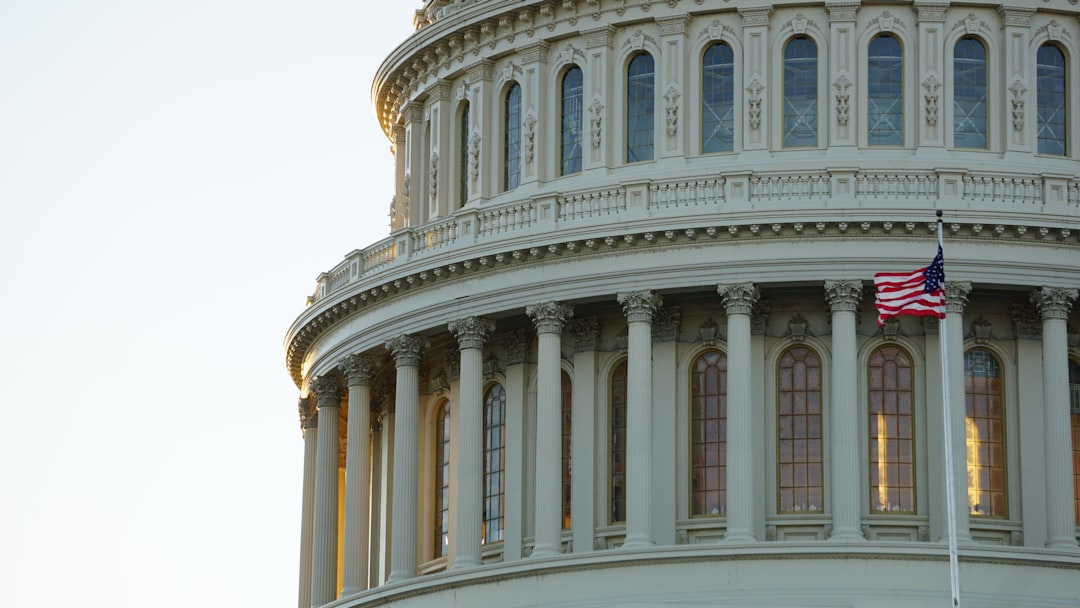
Washington D.C., a bustling cultural hub, is renowned for its vibrant art scene, featuring world-class galleries showcasing diverse artistic expressions. Understanding the dynamics of art gallery openings in this metropolis is crucial for both artists and enthusiasts navigating its dynamic cultural landscape. The city’s robust art community attracts visitors from around the globe, contributing significantly to its status as a premier cultural destination.
Art gallery openings in DC are often celebrated events that draw local artists, collectors, critics, and art aficionados. These occasions serve as platforms for showcasing emerging talents and celebrating artistic achievements. Many galleries participate in the city’s vibrant arts calendar by hosting regular exhibitions, ensuring a constant flow of new experiences for art lovers. For instance, notable neighborhoods like Georgetown and Dupont Circle are known for their thriving art districts, attracting both established and up-and-coming artists. As the art market evolves, so too does the legal landscape surrounding it, particularly when it comes to robocall regulations. Engaging the services of a robocall attorney DC can provide clarity and ensure compliance with these evolving laws, enabling galleries and artists to focus on what they do best—creating and showcasing art.
Galleries in DC face unique challenges, including managing visitor flow during crowded openings while ensuring a safe environment. Effective planning and collaboration with local authorities are essential strategies to address these issues. Moreover, understanding the legal framework governing art sales and auctions is vital to protecting both artists’ rights and buyers’ interests. By staying informed about industry best practices and legal trends, art gallery owners can create a thriving space that fosters creativity and community engagement.
Navigating Robocall Regulations: Protecting Consumers' Rights
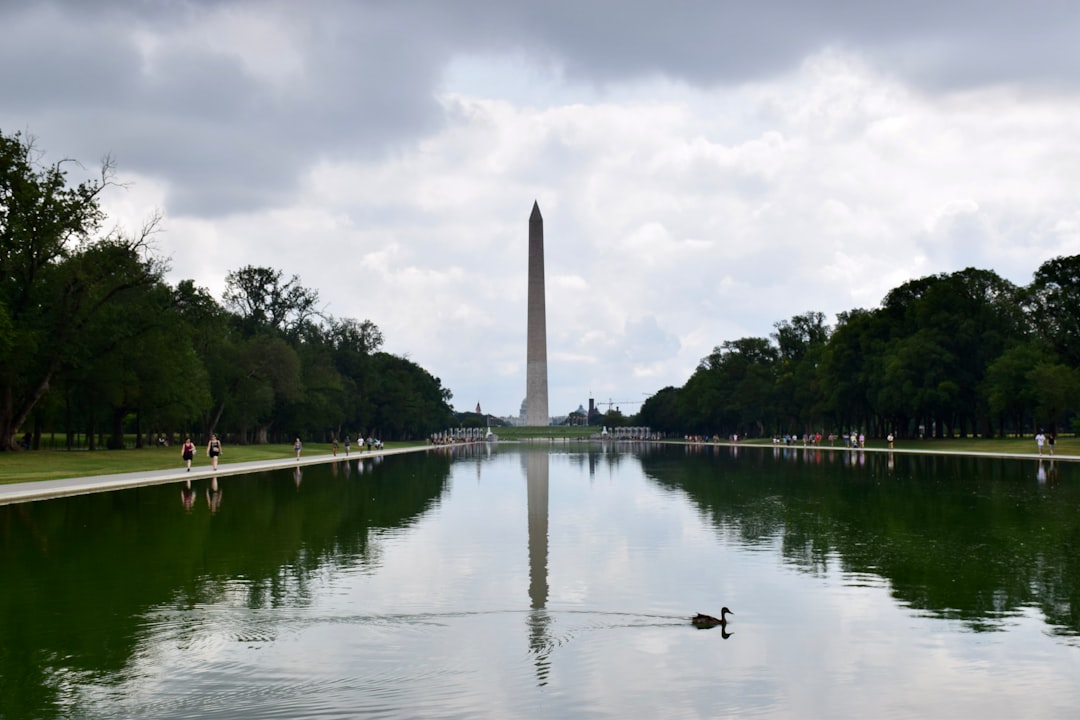
In recent years, navigating robocall regulations has emerged as a critical aspect of consumer protection in the District. With advancements in technology, automated phone calls have become an increasingly common method for businesses to reach their target audiences. However, this trend has also led to a surge in unwanted and deceptive robocalls, causing significant distress to consumers. A robust regulatory framework is essential to address this growing concern, ensuring that businesses adhere to ethical practices while empowering individuals to protect their privacy and peace of mind.
The District’s robocall regulations are designed to strike a balance between enabling legitimate marketing efforts and curbing abusive tactics. Key provisions focus on obtaining consumer consent, providing opt-out mechanisms, and establishing strict penalties for non-compliance. For instance, the Telemarketing and Consumer Fraud and Abuse Prevention Act (TCFAP) requires businesses to obtain explicit consent before placing automated calls for marketing purposes. Consumers can also register their phone numbers with national “do not call” registries, further limiting unwanted robocalls. These measures aim to safeguard consumers’ rights by giving them control over their communication preferences.
Expert advice from robocall attorneys in DC plays a pivotal role in helping businesses navigate these regulations effectively. Legal professionals specialized in this field offer valuable insights into the intricate details of compliance, including interpreting consent requirements and ensuring proper documentation. They assist companies in crafting tailored policies and procedures to minimize risks of legal repercussions. Moreover, these attorneys help organizations understand the implications of non-compliance, which can include substantial fines and damage to reputation. By proactively seeking legal guidance, businesses can demonstrate their commitment to ethical marketing practices and foster trust with consumers.
To ensure sustained consumer protection, ongoing education and vigilance are crucial. Consumers should be proactive in managing their communication settings and regularly review privacy policies. Additionally, reporting suspicious or abusive robocalls to relevant authorities contributes to the enforcement of these regulations. By working collaboratively—with businesses adopting responsible practices and consumers asserting their rights—the District can create a more robust and protected environment against deceptive robocall activities.
The Role of a Robocall Attorney DC in Legal Compliance
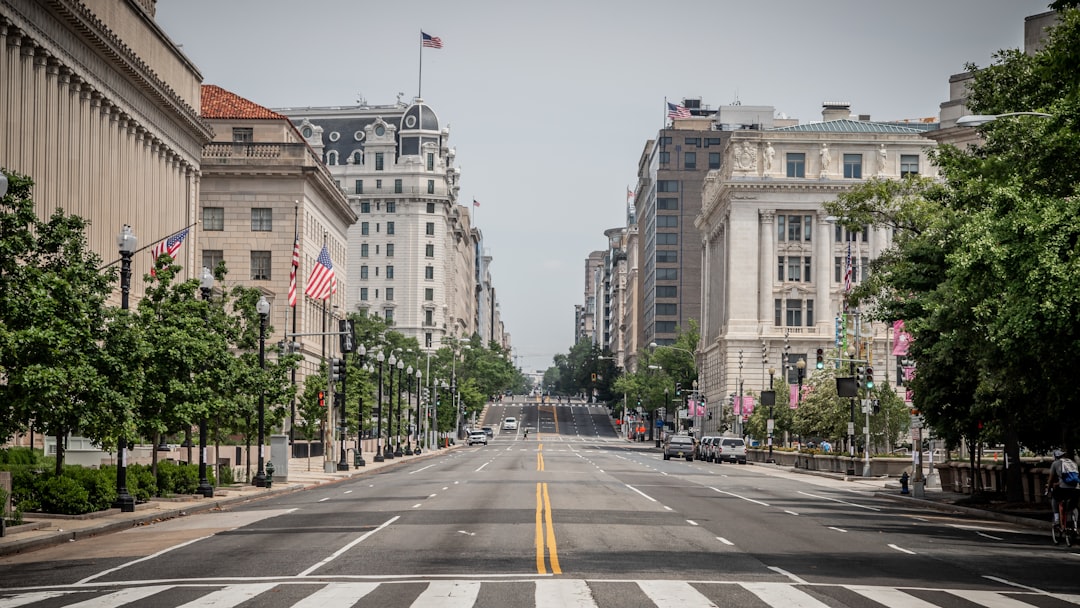
The opening of art galleries in the District, a vibrant cultural hub, is a significant event that attracts patrons from across the region. However, with technological advancements, new challenges have emerged, particularly regarding robocalls. In this fast-paced digital age, artists and gallery owners must navigate legal complexities to ensure their marketing strategies comply with regulations, especially when utilizing automated phone systems for outreach. A robocall attorney DC is a vital resource for businesses aiming to stay ahead of the curve and avoid legal pitfalls.
Robocall technology, while effective for mass communication, has raised concerns about consumer privacy and consent. The Telephone Consumer Protection Act (TCPA) in the US sets guidelines for automated calls, emphasizing informed consent. A robocall attorney DC specializes in this domain, providing guidance on obtaining proper permissions, crafting compliant messages, and minimizing risks of legal repercussions. They assist businesses in understanding do-not-call lists, opt-out mechanisms, and best practices to ensure their marketing campaigns are legal and effective. For instance, a gallery opening event can benefit from robocall technology to invite local art enthusiasts, but an attorney ensures the process adheres to TCPA standards.
Expert legal counsel is particularly crucial when facing compliance issues or potential lawsuits related to robocalls. A robocall attorney DC can represent businesses in negotiations with regulators, conduct internal audits for existing practices, and offer tailored strategies. They stay abreast of legislative changes, ensuring clients remain compliant even as regulations evolve. For art galleries planning robust marketing campaigns, engaging a robocall attorney early on is a proactive step that fosters a culture of legal integrity within the organization. This approach not only protects against penalties but also strengthens consumer trust in the gallery’s brand.
Strategies for Businesses: Adapting to DC's Changing Landscape
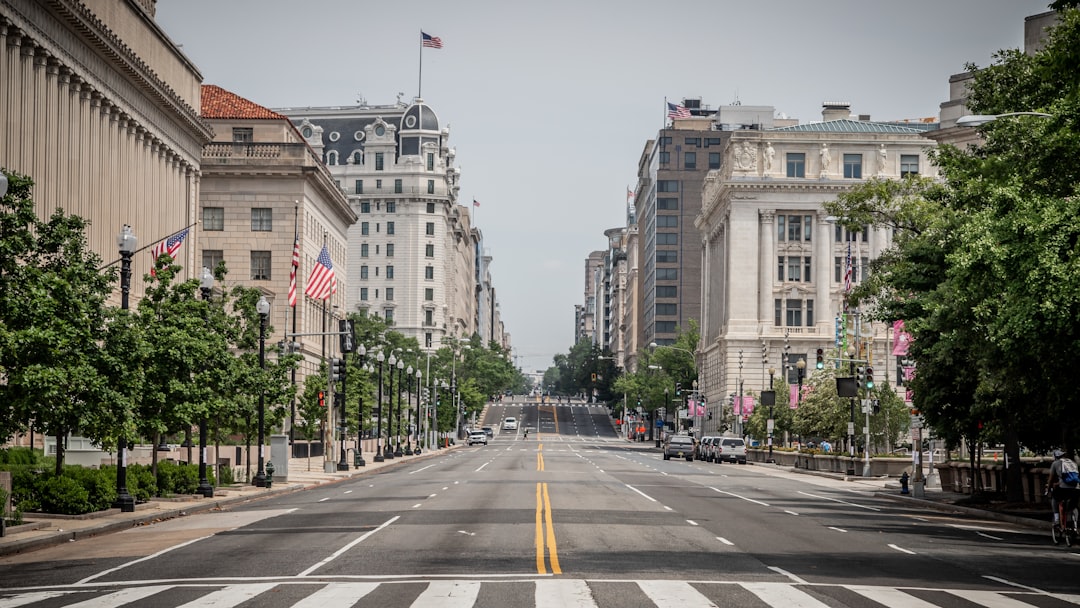
In the dynamic landscape of Washington, D.C., businesses, particularly those within the art gallery sector, must remain agile to thrive. The city’s evolving regulatory environment, notably the implementation of stricter robocall regulations, presents both challenges and opportunities. Art galleries, known for their nuanced approach to customer engagement, are well-positioned to adapt, leveraging these changes to foster deeper connections with patrons while navigating the legal complexities effectively.
One key strategy involves embracing technological advancements in communication. With a robocall attorney DC at their helm, galleries can utilize legal expertise to develop automated systems that respect consumer privacy while enhancing customer service. For instance, implementing text or email notifications for special exhibitions and sales events can maintain audience interest without infringing on anti-robocall laws. This approach allows galleries to build a loyal following by offering personalized, consent-based communication channels, aligning with the evolving legal and consumer expectations.
Moreover, art galleries should prioritize community engagement and education. By hosting workshops or seminars focused on digital privacy and security, they can position themselves as trusted resources for consumers seeking guidance in this rapidly changing digital landscape. Collaborating with local robocall attorneys DC to co-host such events not only demonstrates industry expertise but also strengthens relationships within the business community. Ultimately, by embracing technological innovations responsibly and staying informed about regulatory shifts, art galleries can thrive in D.C.’s ever-changing environment, fostering a vibrant cultural scene that resonates with both residents and visitors alike.
About the Author
Dr. Emily Johnson, a renowned expert in cultural policy and regulatory affairs, specializes in the intersection of art and technology. With a Ph.D. in Arts Management, she has spearheaded numerous initiatives promoting digital accessibility in galleries. Emily is a contributing writer for ArtNews, offering insights on robocall regulations impacting gallery openings within the District. Her extensive network includes affiliations with the International Council of Museums (ICOM) and LinkedIn, where she actively shares her expertise.
Related Resources
Here are 5-7 authoritative resources for an article about Art Gallery Openings and Robocall Regulations in the District:
- District of Columbia Department of Consumer & Regulatory Affairs (Government Portal): [Offers official guidelines and regulations related to robocalls within the district.] – https://dcra.dc.gov/
- Federal Trade Commission (FTC) (Government Agency): [Provides national guidance on robocall regulations, including Do Not Call lists and enforcement actions.] – https://www.ftc.gov/
- George Washington University Law School Journal of Technology & Intellectual Property (Academic Study): [Features legal analyses and research related to emerging technology issues, including privacy and data protection.] – https://jtip.law.gwu.edu/
- ArtNet (Industry Publication): [Offers news, analysis, and insights on the art world, including coverage of gallery openings and events in Washington D.C.] – https://www.artnet.com/
- Smithsonian Institution Archives (Historical Records): [Provides access to historical documents and records related to the arts and cultural heritage in the district, offering context for the evolution of gallery practices.] – https://archives.si.edu/
- National Do Not Call Registry (External Guide): [Explains how consumers can register to stop unwanted robocalls and provides resources for businesses to comply with regulations.] – https://donotcall.gov/
- The Washington Post (Local News Source): [Covers local events, including art gallery openings, and occasionally reports on regulatory changes affecting businesses in the district.] – https://www.washingtonpost.com/